
Captain's Log
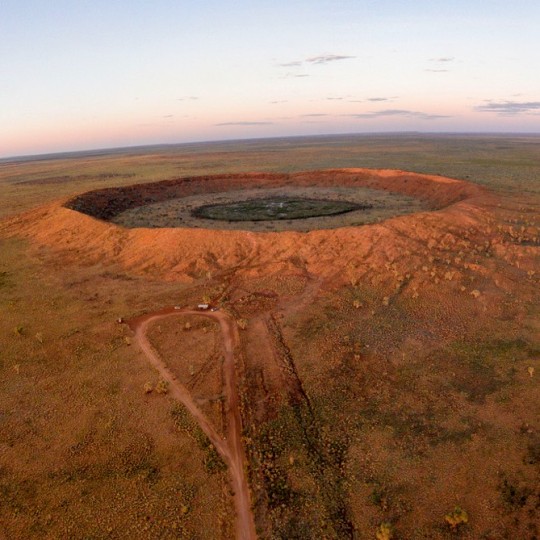
Gold, Gorges & Great Big Holes
Halls Creek is 288 kilometres east of Fitzroy Crossing. While the town has a small population and initial impressions would suggest that there are few attractions within the town, look a little further as Halls Creek is an explorers haven. Not only are there some breath taking attractions in the vast landscape that surrounds e.g.…
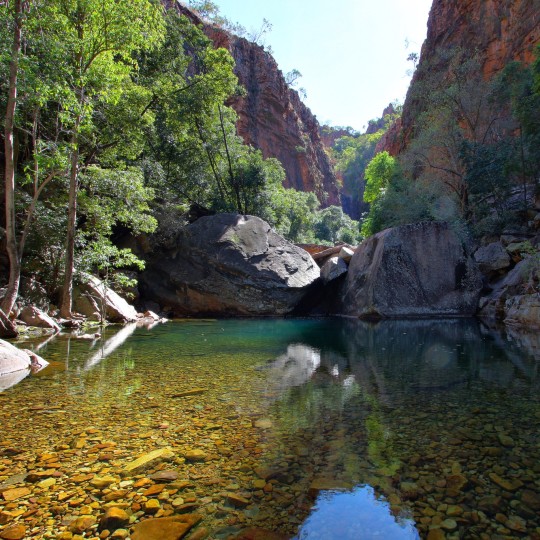
Head East – Go Wild in Kununurra
Kununurra is the largest town in the East Kimberley. As you arrive into the town whether it be by plane or road you cannot help but be struck by its vast beauty – waterways, lush vegetation all with a real outback feel. Meaning ‘meeting of big waters’ you will find Kununurra located on the banks of…
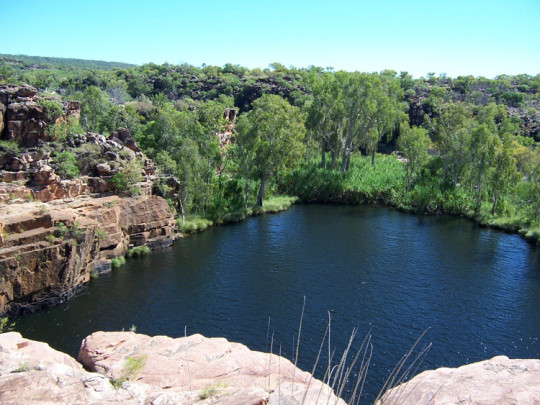
The Kimberley – Bird Watching Paradise
Twitch twitch, twitch twitch….. Cruising along the Kimberley coast you cannot help but sit back and take notice of nature; the rustle of the trees, the lapping of the waves and the song of the many birds that call the Kimberley home. Pure serenity… For some, bird watching is a serious quest to sight that…
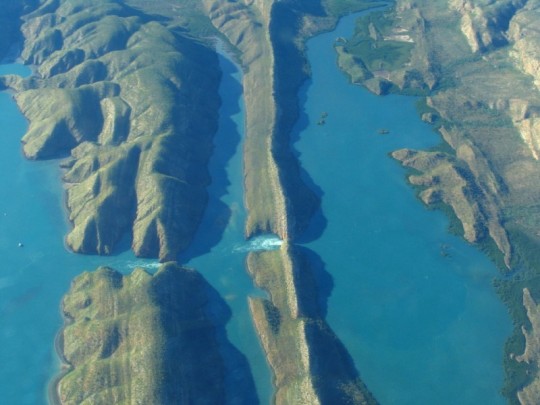
The Kimberley, Home to the Horizontal Waterfalls – The Eighth Wonder of the World
The Horizontal Waterfalls or “Horriez” as they are locally known, are located deep in Talbot Bay, nestled amongst hundreds of islands that make up the Buccaneer Archipelago. This natural phenomena is quite possibly one of the most famous attractions on the Kimberley coast. “…but how can a waterfall be horizontal?” I hear you ask with…
Share Your Own Kimberley Cruise Story
Small boat cruising is proving to be a popular must-do for many visitors to Broome and the Kimberley. For small boat operators in this very competitive and dynamic market, passenger feedback and comments are very important. It is a pleasure to receive disks and emails with photos, so we can keep the website fresh.
Bridge Over The Fitzroy River
258 kilometres eastward from Derby we arrive at Fitzroy Crossing. Nowadays this town is made up of Aboriginal settlements that straddle the Fitzroy River when, in bygone days, it was the best point to cross the mighty Fitzroy River. This river is a spectacular sight at any time but especially when it is in flood…
Broome – The Beach, The Pearls, The Moon
Travelling to the Kimberley for a holiday can be an experience of a lifetime. Here you will find a melting pot of cultures, a rich history and breath-taking landscape and that is just the first day. In addition to the magnificent coastal wilderness, it is worth experiencing the diversity of each town that makes up…
Kimberley Fishing Tips & Techniques
The 2008 cruising season has got off to a fantastic start with reports back that there is plenty of water out there… “Ruby Falls is pumping!” commented Phil. The fish have also been out to play including the prized Barramundi. Passengers indeed visit the Kimberley to experience the ruggedness, the remoteness and the rich variety…
Broome in March
Greetings from K2O HQ. Liz here and I thought I would say “Hello” and that I trust you are enjoying our new wesbite. Feel free to leave your comments and suggestions. We are having an exciting Wet Season with Cyclone Nicholas and Orphelia having passed us by and left nothing but lush green gardens here…
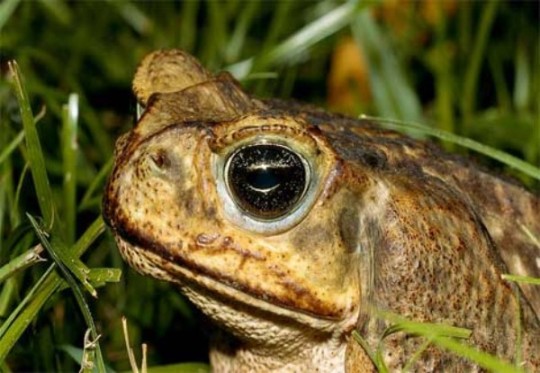
Cane Toads – The Alien Invasion
The Kimberley is undoubtedly an unique, pristine wilderness which we are striving to protect not only from industrialisation (Save the Kimberley) but also the invasion of the greatest threat to our eco-system, the Cane Toad (Bufo Marinus). Introduced to Qld from Venezuela in 1935, the Cane Toad has few known predators and is wiping out…